
Bahar Dutt

Conservation Biologist • Environmental Journalist • Author

Storytelling

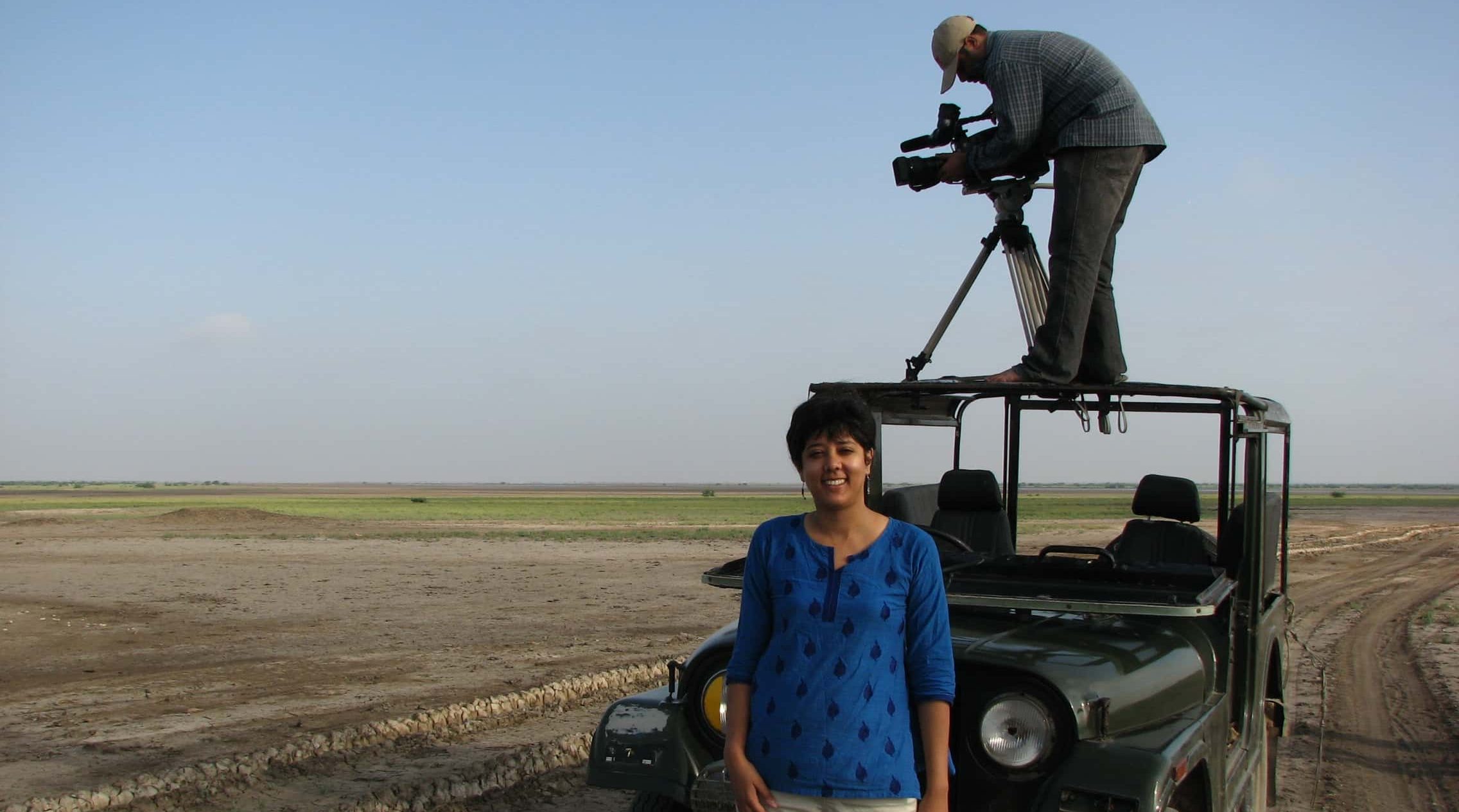
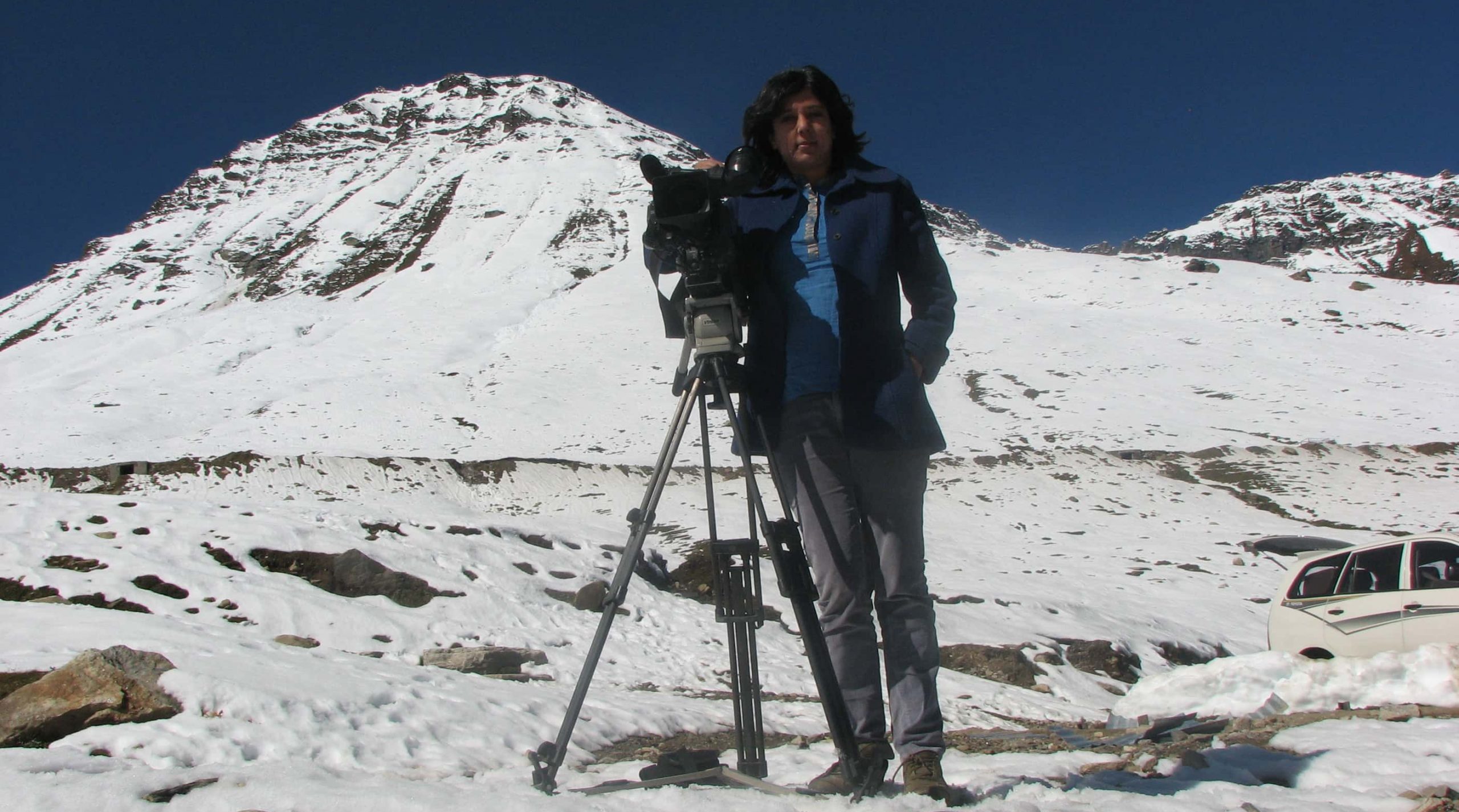
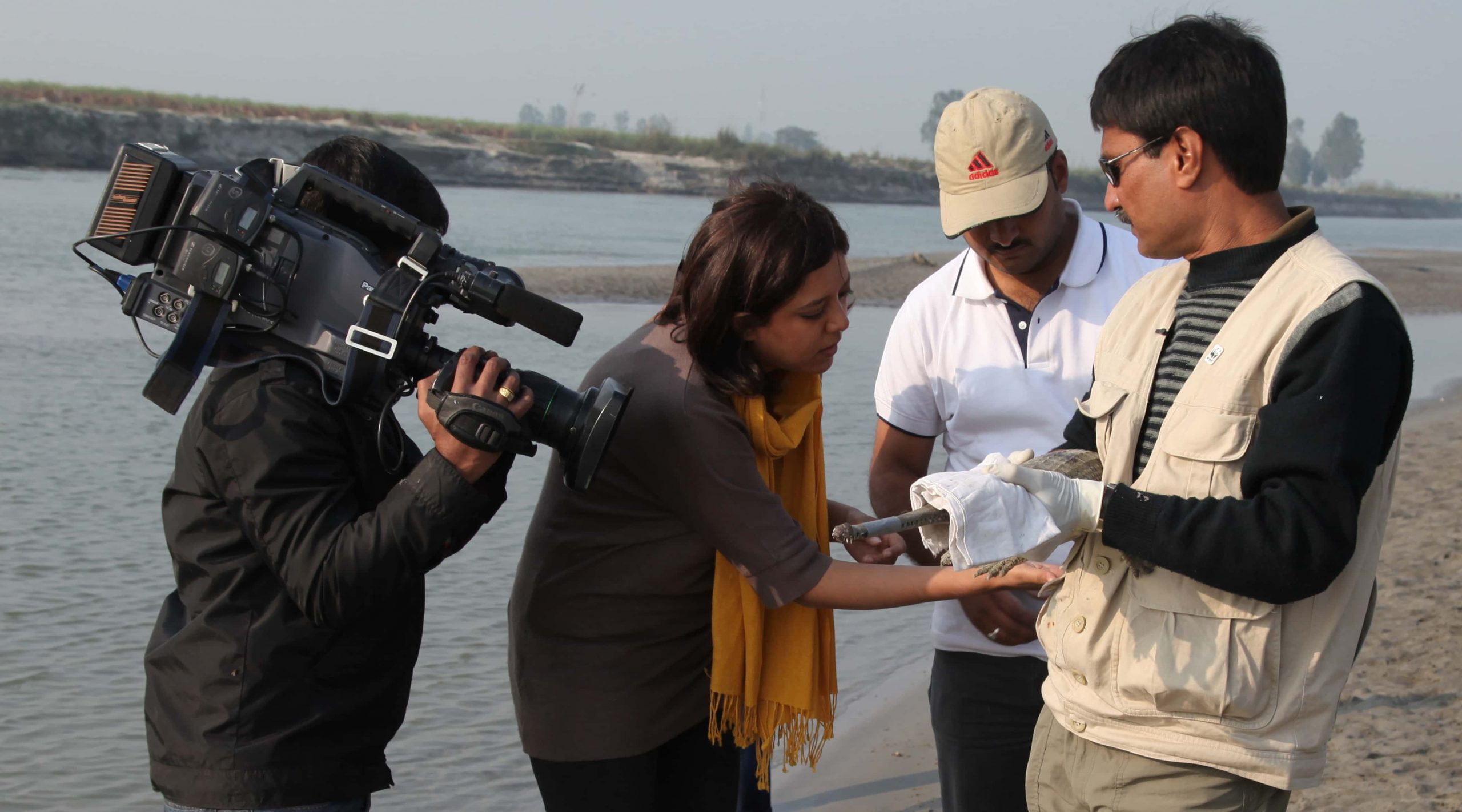
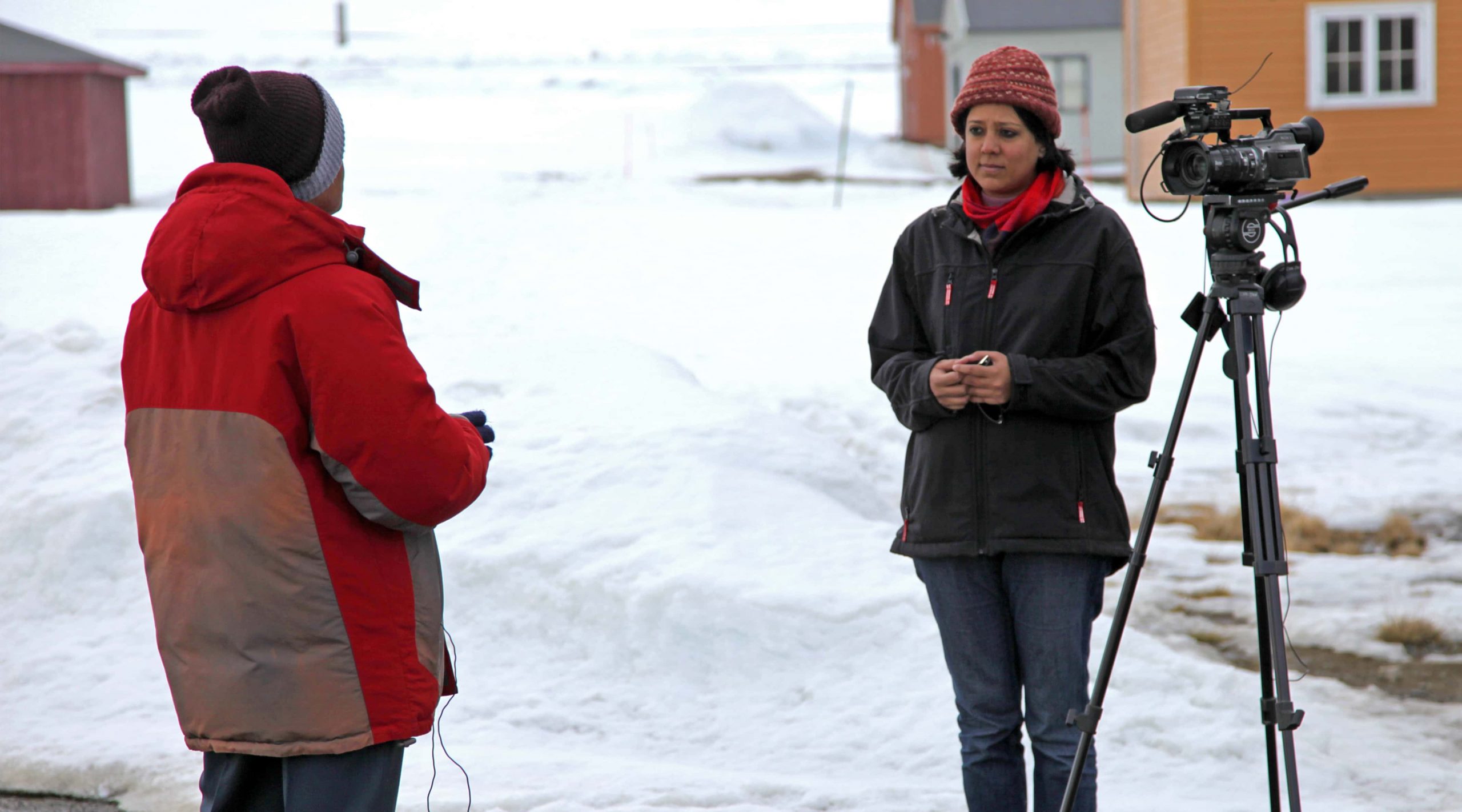
Bahar Dutt is an acclaimed environment journalist, author, and conservation biologist who transformed green reportage from a niche beat into vital mainstream news.  As the long- standing Environment Editor for CNN-IBN, her storytelling bridges the gap between scientific complexity and human-interest impact. did for CNN-IBN , covering all aspects of environment journalism from undercover investigations , special reports to indepth documentaries and interviews. It also includes stories and documentaries that won national and international awards

Currently Bahar Dutt is an independent journalist who leverages multimedia storytelling to champion environmental defense. Transitioning from legacy television to a dynamic, multi- platform independent career, she blends meticulous scientific knowledge with a fearless investigative lens to expose the complex tensions between corporate-political interests and ecological survival. Her action-oriented narratives do not merely raise public awareness; they actively drive systemic change, as evidenced by her high-stakes undercover stings and localized field reporting that famously helped halt destructive development projects on India’s critical wetlands and riverbeds. By treating local communities and vanishing biodiversity as central characters, her empathetic, immersive storytelling which spans from the vulnerable habitats of the Arctic to the tropical rainforests of Indonesia, challenges mainstream corporate narratives and restores ecological urgency to global media.

Documentaries

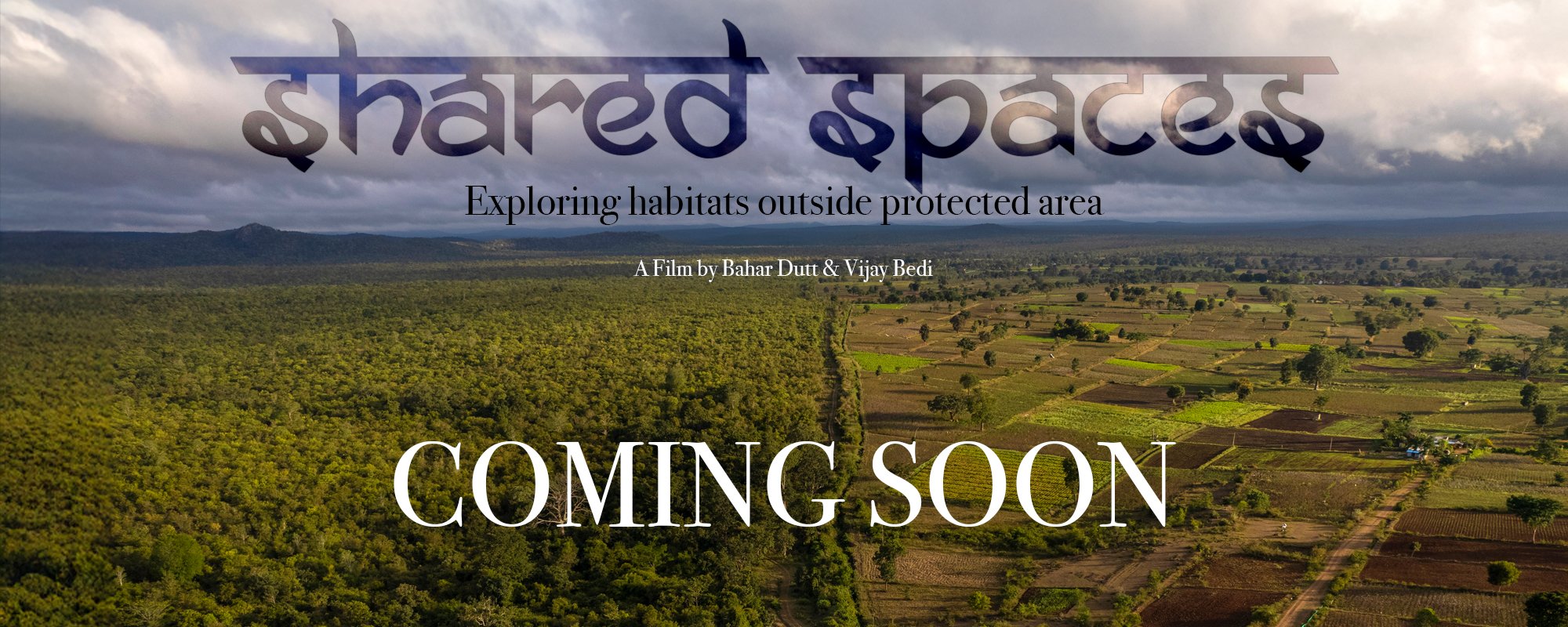
SHARED SPACES – SERIES COMING SOON

This unique 6 – part series shows filmed over three years in various landscapes of India to showcase natural history and communities saving wildlife found in their backyard. This series focus on share spaces in India where human live in  co-existence to conflict. We cover biodiversity rich regions showcase species and behavior but also look at a conservation problem and how to address it. Conservation is not just about science it is about innovation and adaptive management.

The series is the quest of award-winning presenter Bahar Dutt, conservation biologist driven in order to take the viewer on this amazing journey to find solutions.
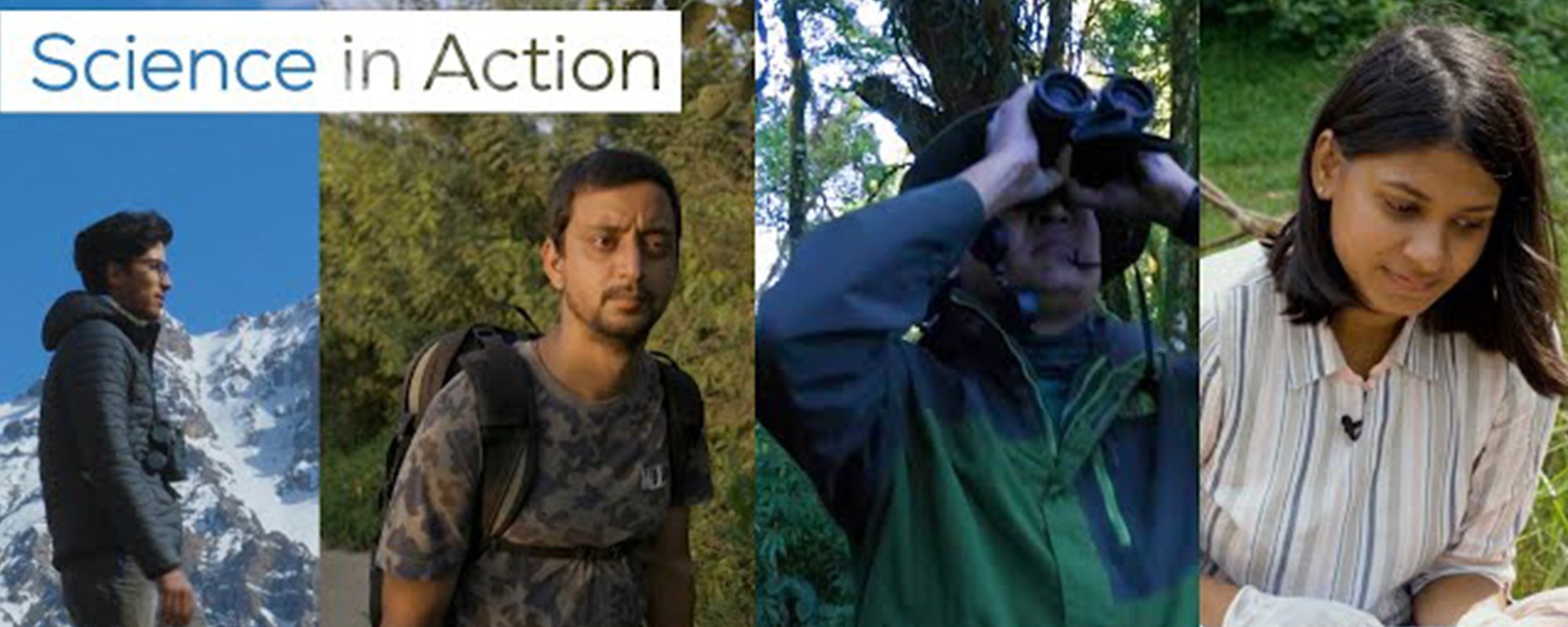
SCIENCE IN ACTION – 4 PART SERIES

Saving Bhimanama- Ayushi Jain and the Giant turtle

Bahar Dutt travels to Kasargod, Kerala, to uncover the inspiring journey of biologist Ayushi Jain, who is working tirelessly to protect this unique turtle from extinction. What makes this odd-looking creature so special, and why is saving it so important?

Impact of Climate change on Himalayan Birds

Nestled in the northeastern part of India, Arunachal Pradesh, offers a unique blend of cultural and biodiversity. In this short film, award winning filmmaker and conservationist biologist Bahar Dutt explores the Eaglenest Wildlife sanctuary in the Himalayas. Teaming up with her is renowned wildlife researcher Umesh Srinivasan and his team who are camping deep in the forest. Reaching this remote part of India is not easy, neither is working there. The film explores the tough conditions under which scientists work to bring us the first ever-scientific documentation of how climate change is impacting bird populations. Srinivasan and his team through the process of setting up mist nets demonstrate how different species of birds are being driven towards higher altitudes as the lower regions get warmer.   But the question is, will the birds be able to survive at these higher altitudes and what does this mean for their long-term survival.

Eaglenest Sanctuary is a biodiversity hotspot, a magical and mysterious landscape with more than 450 species of birds.   And new species continue to be discovered. Its also the place with a rich history. Eaglenest has derived its name from Red Eagle Division, a regiment of the Indian Army, which used to operate in the region in the 1950s. Today there are new stories playing out in this landscape. In this film Bahar explores the ancient path on which once The Dalai Lama, once travelled from Tibet to the plains of Assam in 1959 and stayed at a site owned by the Bugun community. This film captures the scientific data in an easy storytelling format while reminding us how the perils of climate change can be dealt with.

The Frogs of Delhi

Bahar Dutt as she explores rain-drenched neighborhoods of Delhi-NCR and discovers how science can help reconnect us with nature’s lost symphonies. Focusing on unexpected urban shared spaces, this episode tracks researcher Robin Suyesh as he maps frog populations using bioacoustics. It addresses how rapid urbanization silences natural spaces and calls on city planners to design shared green spaces intentionally. 🐸 Watch now on RoundGlass to dive into this fascinating journey of conservation and innovation!

The Brown Bears of Kargil

Once the site for a pitched battle between India and Pakistan, there were guns booming from every corner. But today the high mountain towns of Kargil and Dras, flanked by the mighty Himalayas on all sides are teeming with life. The Himalayan brown bears have not been seen in Kargil and Dras for over a decade. Several years after the war, they are slowly making a comeback.

This film spotlights not just an endangered species, but also shows India’s border areas from a new perspective.  With peace having returned to this area, the bears are being seen again.   Award winning wildlife filmmaker and conservationist biologist Bahar Dutt teams up with Niyaz Khan on an expedition to explore how his work will lead to better conservation of this rare species.

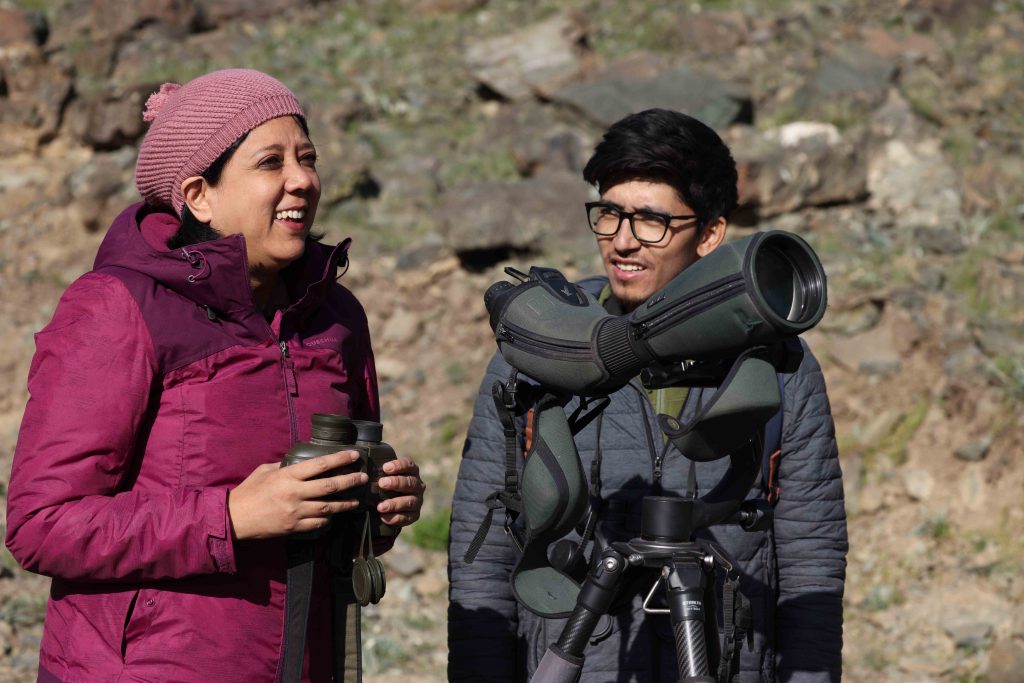
A Kargil resident-turned wildlife biologist Niyaz Khan was hooked on to brown bears, since his first sighting in Himachal Pradesh is now turning the story of his hometown around. He takes the award-winning filmmaker and conservationist Bahar Dutt on an expedition to sight the bears that get easily camouflaged against the brown mountains.  After many challenges they manage to sight a Mother bear and her two cubs frolicking in the morning sun.

On their quest they highlight how new threats that are emerging for the species in the valley. The towns of Kargil and Dras are poised for many rapid changes. A heady mix of climate change and intense tourism is creating conflict, forcing the bears to come towards human habitation.  The film showcases the need to work with local communities in the remote villages of Dras, so some solutions can be found and the future of the brown bears may be secured in this fast changing landscape.  The film ends on a plea for the conservation of brown bears just like we focus on other species like the tigers, rhinoceros or elephants.

Saving the Western Ghats of India

Journey through the Western Ghats of Karnataka

Saving India’s Western Ghats

Saving the Western Ghats

Series – Saving the Ganga

Saving the Ganga

Saving the Ganga

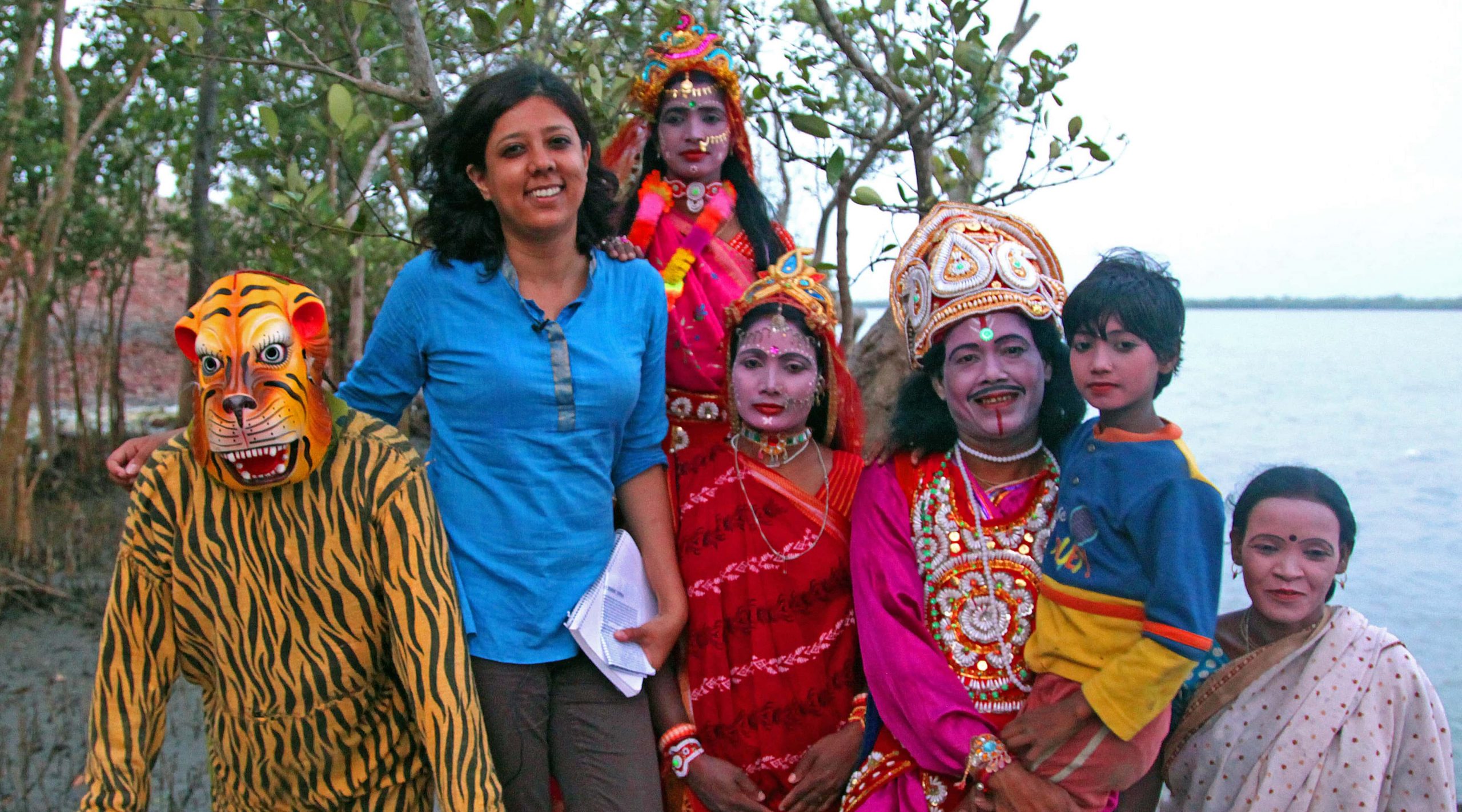
Conserving Sundarbans’ tigers

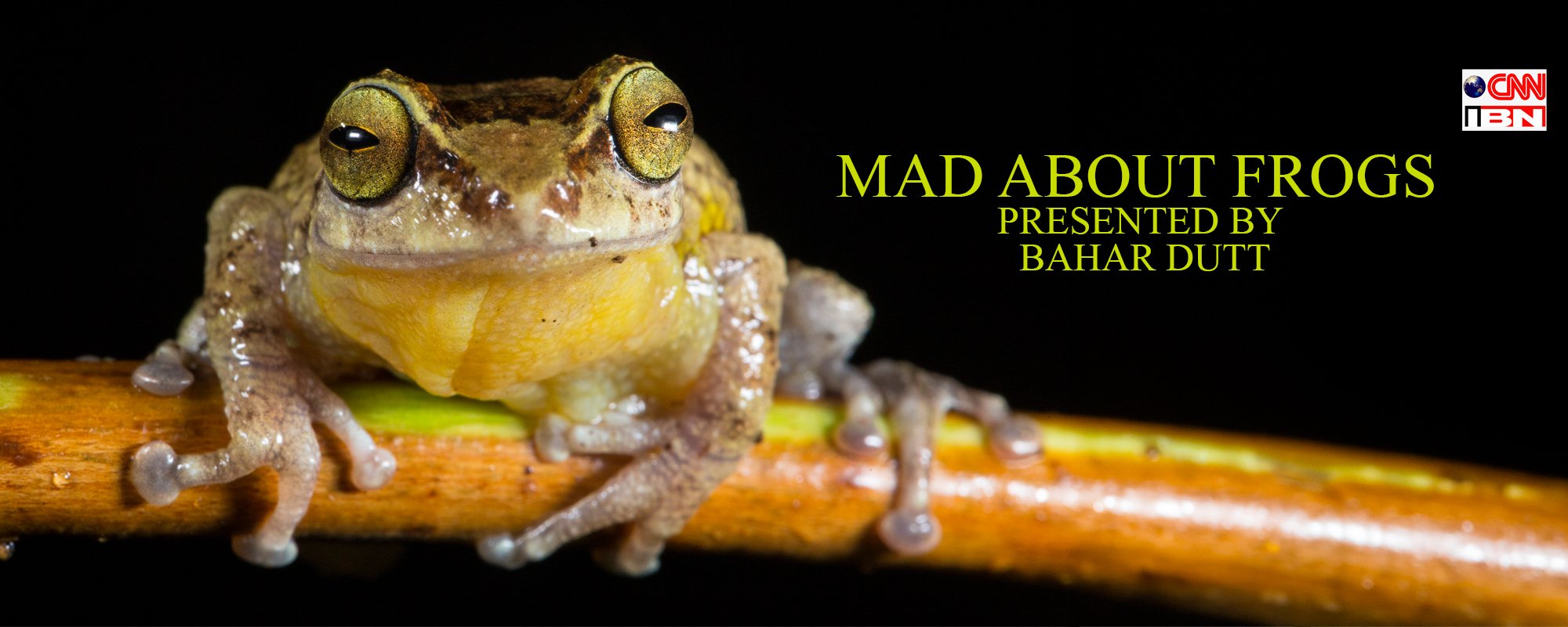
Mad About Frogs Presented By Bahar Dutt

Mad About Frogs Presented By Bahar Dutt

Deforestation in Indonesia a threat to Asian apes Presented by Bahar Dutt

News & Current Affairs
TRT World Now

8 cheetahs heading back to India

Wildlife experts have relocated 8 cheetahs from Namibia to India. Cheetahs became extinct in India in 1952, reportedly due to poaching and habitat loss. Now 5 female and 3 male cheetahs will be introduced into special enclosures and kept in quarantine for 30 days. Their health and ability to acclimatise will be monitored before being released into the wild. Indian Prime Minister Narendra Modi is visiting the national park on his 72nd birthday and launch the cheetah reintroduction project. Bahar Dutt, environmental journalist and author of Rewilding India, joins us for more.

DW

Black kites in Delhi

Black kites in Delhi, India, reveal a striking story of urban wildlife survival as thousands of raptors thrive above one of the world’s busiest cities. This report follows scientists tagging young birds high in the treetops, tracking how they adapt to shrinking green spaces, extreme weather and human activity. From centuries-old feeding rituals to sprawling landfill sites, these birds play a vital role in cleaning the city by consuming waste. But habitat loss and climate pressures threaten their future. A close encounter with a swooping kite becomes a powerful reminder of how humans and wildlife are tightly intertwined in the urban ecosystem.

DW

Traditional crafts in the age of climate change

Climate change is disrupting India’s handicraft traditions — from weaving and pottery to natural dyeing. Artisans across Delhi and Gujarat say unpredictable weather and pollution is affecting their work in various ways. Craft activists warn that shifting seasons are even impacting Himalayan wool quality. But craftspeople are finding climate-smart solutions. Tile makers in Rajkot now rely on drying machines instead of the sun, while a fashion designer uses heaters to keep vats of indigo reliably warm. Such  innovations are helping to keep this rich heritage alive in an era of environmental uncertainty.

How climate influencers are trying to alter Indian attitudes

Online and offline influencers are trying to persuade Indians to shift to a low- carbon lifestyle. How much impact do they really have? Is policy change the real secret?

DW

Are green jobs a good career option for young Indians?

Climate change has led to higher demand for green jobs across many industries. We meet young Indians who chose to work for a greener future. Is it worth it?

Rich biodiversity hiding in Delhi’s urban sprawl

Delhi contains a wealth of natural treasures, including a restored wetland and a mini forest on the site of a former garbage dump. We meet people working to revitalize the green lungs of the notoriously polluted city.

DW

India: Climate change leaves Delhi’s urban poor in the cold

Climate change has brought heat waves to northern India, but also colder weather. How do people living in poverty and without shelter cope?

In North Indian states like Delhi and Punjab, winters have gotten shorter but have featured more intense cold waves. That has posed a great challenge to the people living in poverty.

Delhi’s state government announced a “winter action plan” that involved setting up hundreds of temporary shelters in response to the cold wave. The government also supports NGOs like Akshaya Patra, which provides hot meals for homeless people.

But the hardship may only get more challenging amid climate change. According to a Lancet Commission study in 2021, the number of annual deaths linked with abnormally cold temperatures is more than 600,000.

Electric buses for India’s smoggy cities

With some 5000 electric buses and enormous investments, India’s capital region of Dehli is combating air pollution. An important step toward the energy transition throughout the country – and women are at the forefront.

Hede Mines defies law; SC orders probe; CNN IBN expose report from Bahar Dutt

Hede Mines defies law; SC orders probe; CNN IBN expose report from Bahar Dutt

Illegal Mining In Goa CNN IBN Expose Part 4 presented by Bahar Dutt

Illegal Mining In Goa CNN IBN Expose Part 4 presented by Bahar Dutt

CJ Show Bahar Dutt takes viewers questions

CJ Show Bahar Dutt takes viewers questions

Jayanthi Natarajan to Bahar Dutt

Obama’s climate change NYT columnist Thomas L Friedman interview to Bahar Dutt

Digital videos/ Podcast
ORF Observer Research Foundation

Tackling the Climate Crisis

ORF presents – ‘EARTH TALKS ‘ – A weekly conversation with citizens, policymakers, and politicians on issues related to climate, sustainability, and biodiversity. Curated and anchored by award-winning environment journalist Bahar Dutt.

Air Pollution and Urban Governance: Defusing a Crisis | Bahar Dutt | Aaditya Thackeray

Raisina Dialogue | For cities across the world, air pollution is a public health and political crisis. In this conversation at Raisina Dialogue, Bahar Dutt and Aaditya Thackeray raise a pertinent question: How should politicians and policy makers from urban areas respond to this new emergency? In Conversation: Aaditya Thackeray, Cabinet Minister (Environment, Tourism, Protocol), Government of Maharashtra, India Bahar Dutt, Independent Environmental Journalist, India

About Raisina Dialogue: The Raisina Dialogue is India’s premier conference on geopolitics and geoeconomics committed to addressing the most challenging issues facing the global community. Every year, leaders in politics, business, media, and civil society converge in New Delhi to discuss the state of the world and explore opportunities for cooperation on a wide range of contemporary matters. The Dialogue is structured as a multi-stakeholder, cross-sectoral discussion, involving heads of state, cabinet ministers and local government officials, who are joined by thought leaders from the private sector, media and academia. The conference is hosted by the Observer Research Foundation in partnership with the Ministry of External Affairs, Government of India. This effort is supported by a number of institutions, organisations and individuals, who are committed to the mission of the conference

ORF Observer Research Foundation

Earth Talks | Air Pollution ka Solution

ORF presents — ‘EARTH TALKS ‘ — A weekly conversation with citizens, policymakers, and politicians on issues related to climate, sustainability, and biodiversity. Curated and anchored by award-winning environment journalist Bahar Dutt. In this episode Bahar Dutt discusses  ‘Air Pollution ka Solution’ with Aarti Khosla Climate Trends Karthik Ganesan, CEEW Abhilasha Purwar, Blue Sky Analytics

Raisina Dialogue | Bhutan: Happiness Index vs. Green Growth | Bahar Dutt | Tshering Tobgay

Raisina Dialogue | Countries large and small are searching for pathways to prosperity without adding to the global problem that is climate change. Do we need to change the ways that we even think about economic growth? At Raisina Dialogue , Bahar Dutt and Tshering Tobgay speak about Bhutan's culture of prioritising happiness and the environment. They discuss Bhutan’s future plans for unlocking Bhutan’s potential for a value based tourism. In Conversation: Bahar Dutt, Independent Environmental Journalist, India Tshering Tobgay, Former Prime Minister, Bhutan

Earth Talks | Empowering India's Invisible Wildlife Heroes

ORF presents – ‘EARTH TALKS ‘ – A weekly conversation with citizens, policymakers, and politicians on issues related to climate, sustainability, and biodiversity. Curated and anchored by award-winning environment journalist Bahar Dutt. This week on Earth Talks Bahar Dutt talks to Cara Tejpal on empowering India’s invisible wildlife heroes through the Mud on Boots Programme. Empowering field biologists through small financial awards  who have proven their commitment to wildlife conservation and who are in need of financial assistance to support themselves and their families.

Bahar Dutt in conversation with Shoko Noda on balancing biodiversity and human development goals

ORF presents — ‘EARTH TALKS ‘ — A weekly conversation with citizens, policymakers, and politicians on issues related to climate, sustainability, and biodiversity. Curated and anchored by award-winning environment journalist Bahar Dutt. In this episode Bahar Dutt talks with Shoko Noda on balancing biodiversity and human development goals

How one organisation is battling to save wild animals from the fury of floods

Bahar Dutt talks to the CEO of Wildlife Trust of India, Vivek Menon on floods in north east India and how his organisation is leading efforts to save wild animals in Kaziranga National Park in Assam. ORF presents – ‘EARTH TALKS ‘ – A weekly conversation with citizens, policymakers, and politicians on issues related to climate, sustainability, and biodiversity. Curated and anchored by award-winning environment journalist Bahar Dutt.

Wildlife Conservation in India: Bahar Dutt In Conversation With Anish Andheria

ORF presents — ‘EARTH TALKS ‘ — A weekly conversation with citizens, policymakers, and politicians on issues related to climate, sustainability, and biodiversity. Curated and anchored by award-winning environment journalist Bahar Dutt. In this episode, Bahar Dutt talks with Anish Andheria, President of Wildlife Conservation Trust.

Nature Writing For Children: Talk with Bahar Dutt & Shashwat DC

Nature writing for children is a field that has grown vastly in recent years, with many authors, old and new, contributing a fascinating array of books aimed at diverse ages, from toddlers to young adults. To deepen our collective engagement with this genre, Azim Premji University brings you a Webinar series #SeekingSustainability: Nature Writing For Children. The series will be of special interest for aspiring writers, parents, educators, and book lovers everywhere. In the current webinar, journalist and author Bahar Dutt will talk about her books — Planet Protectors, Rewilding and Green Wars. Speaker Bio: Bahar Dutt is an award-winning conservation biologist and environmental journalist, who served as the Environment Editor for CNN-News18 for a decade. In her previous avatars, she has run an ambulance for injured monkeys in the city along with a decade long community conservation project with snake charmers in villages across Haryana Rajasthan and Uttar Pradesh She first earned a degree in social work from University of Delhi. Bahar then pursued wildlife conservation at the Durrell Institute of Conservation and Ecology from the University of Kent. As an environment editor at CNN-IBN, she has covered a range of stories travelling to far and forgotten corners of this country to expose the nexus between the mining mafia, politicians and corporates. Her reporting has influenced policy and led to the stoppage of many illegal projects coming up on wetlands and forests. She has written two books and just recently her new book especially for children is out- The Planet Protectors published by TERI. Bahar is teaching at Shiv Nadar University while also pursuing her passion for science based storytelling as an independent journalist.

Forest Biodiversity Session moderated by Bahar Dutt at 7th CMS VATAVARAN


India’s Experiments in Saving Nature Bahar Dutt in conversation with Kalpana Sharma- Hyderabad Literary festival

How Do We Create Climate Equity In Urban Development? | Conscious Collective 2025

As the rising temperatures in India are changing the landscape of innovation, Jamshyd Godrej, Harish Hande, and Bahar Dutt delve into the ways that climate action can become an accessible model for everyone. In this panel discussion at Conscious Collective 2025, climate equity as a fundamental right to propel grassroots innovation and development for India is explored. Real-life case studies on the way heat is impacting the ground reality of Indian talent are given by Jamshyd Godrej, Harish Hande, and Bahar Dutt. This is explored with the need for practical implementation of necessary equitable climate policies and infrastructure that centres people above all.