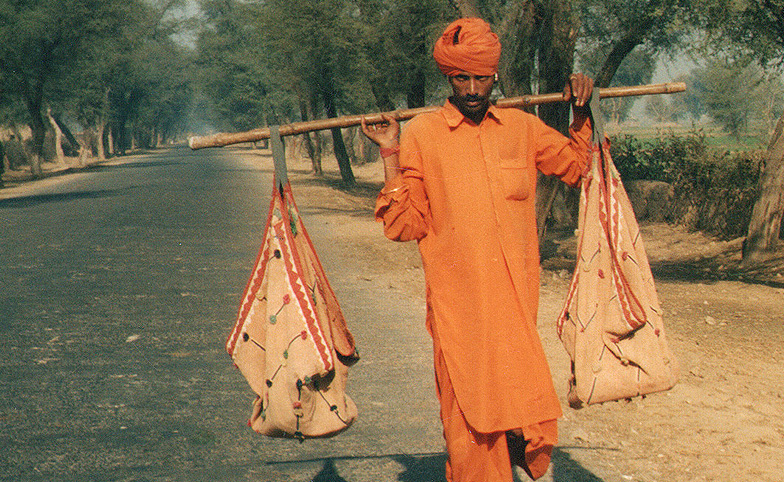
This is a landmark study, which was conducted using baseline data, surveying 500 snake charmers across villages of Haryana , Uttar Pradesh and Rajasthan , covering all aspects of this ancient community, from their socio-economic status, to ethnobotanical knowledge to the health condition of snakes kept by them in captivity. Two external experts Rachel Kaletta from the UK and Vikram Hoshing from Pune Snake Park also contributed to the study. For the study we documented over 100 plant species used in traditional medicines by the charmers, we looked at the snake species used by them for their livelihoods and collected information on levels of income and education. In this paper, using the snake charmers as a case study we showcased the tension between conservation on the one hand and livelihoods on the other. The author presents a model that involves the use of snake charmers for educating people about venomous and non-venomous snakes, it is also based on ten years of extensive field work with the community. The research has shown that this community, which is characterized by high levels of indigenous knowledge about wild animals and low levels of formal education, has low chances of being absorbed in other occupations where there is heavy competition. The employment of snake charmers as ‘barefoot conservation educators’ ( a recommendation made by several renowned herpetologists like Romulus Whitaker) and recognition of their indigenous knowledge would not only protect their culture and identity but also assist in the protection of thousands of snakes killed by ignorant people. This would be of further importance given that in rural India wildlife films or conservation education programmes are out of the reach of the masses. The reach of the snake charmers is tremendous and street conservation education can play a vital role in sensitizing people to reptiles, which are considered ugly or dangerous. Such an intervention would also help resolve the tension between conservation and livelihoods.